
What is burnout?
Burnout is defined as “physical, emotional or mental exhaustion, accompanied by decreased motivation, lowered performance and negative attitudes towards oneself and others” (APA Dictionary of Psychology).
It can often be at the end of a continuum that could see someone being overwhelmed , stressed and then have burnout.
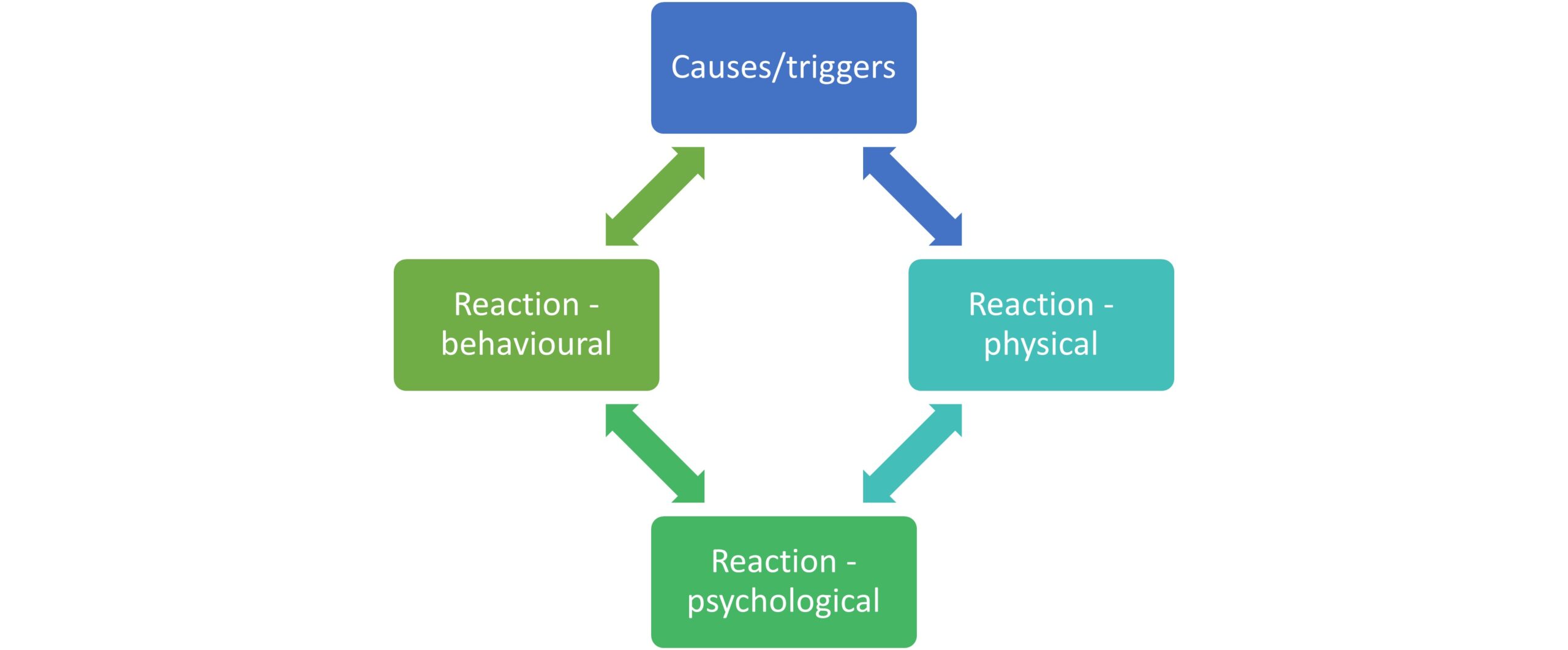
There are often physical, emotional and behavioural signs. These might be feeling tired and drained most of the time (physical), sense of failure and self-doubt (emotional) and isolating yourself from others (behavioural). It is always advisable to seek medical advice and or/therapeutic intervention if one is feeling severe signs of burnout.
The psychology and neuroscience
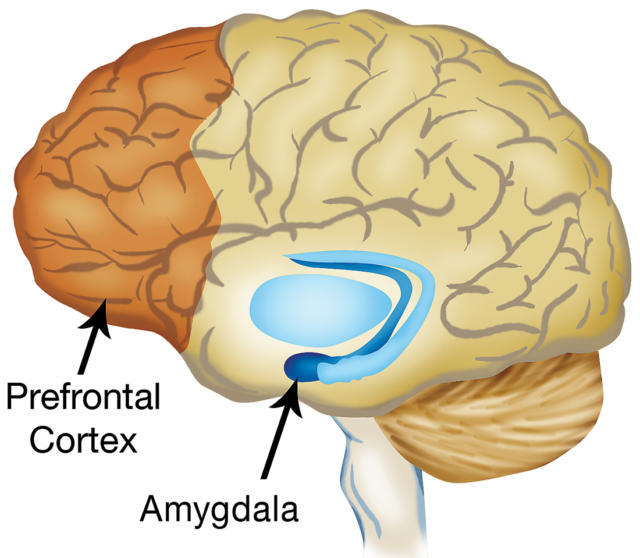
When people are feeling stressed and overwhelmed, the limbic system is switched on. The brain senses danger and the fight or flight response is activated. It enlarges the amygdala, the part of the brain that controls emotional reactions (www.psychologicalscience.org/). This then impairs cognitive function in the pre-frontal cortex. So you might a get sense of not being able to think clearly.
We know from Yerkes-Dodson Law that a certain amount of stress can be helpful to performance. So feeling a little nervous about an exam might get you into action to revise. However too much stress about the exam will impair performance and put you on the right hand side of the curve below.

How Coaching can help
Coaching can be very effective in helping people deal with stress and overwhelm. Here are some effective ways I’ve helped my clients manage stress and overwhelm.
Notice what’s going on
Help your client to notice the specific triggers. Then name their own physical, emotional and behavioural reactions. To name and label it can calm the limbic system down.
 Healthy Mind Platter
Using the Healthy Mind Platter can help create more balance. For example if sleep is an area that the client identifies as a low score, how would they like it to be instead.
Values and Purpose
Helping clients to tap into their values and purpose can help refocus them.
Yerkes-Dodson Law
Using the Yerkes-Dodson Law diagram above to help clients identify where they currently are and where they’d like to be.